A bed and breakfast and a self-catering cottage can both feel distinctly Irish, but they shape a road trip in different ways. A B&B is typically a family home where accommodation and breakfast are part of the stay and the host is present. A self-catering cottage gives you your own kitchen and more independence, which can work better for families, groups and slower trips through rural or coastal areas.
Quick comparison
| Factor | B&B | Self-catering cottage |
|---|---|---|
| Breakfast | Normally part of the stay | You generally prepare your own meals |
| Local contact | High: host lives on or manages the property closely | More independent, host contact varies |
| Kitchen | Guest kitchen not normally the main feature | A central advantage |
| Best trip style | Moving regularly from town to town | Staying several nights in one region |
| Families/groups | Works well, but rooms may be separate | Often stronger for shared space and routines |
What an Irish B&B actually offers
Tourism Ireland's visitor material describes a B&B as a family home offering accommodation and breakfast. The host and family live at the property and welcome guests into the home. That direct contact can be valuable on a road trip because local advice on restaurants, roads, walks and nearby attractions is part of the experience.
B&Bs also work naturally for an itinerary where you change location most days: arrive in the afternoon, sleep, eat breakfast and continue the route.
What self-catering changes
Self-catering cottages give you control over meals and daily rhythm. Tourism Ireland notes that cottages are found across the island—from remote headlands and beach areas to countryside and even city settings. This makes them useful as a base rather than just a place to sleep.
If you plan three or four nights in Kerry, Donegal, Galway, Cork or another region, unpacking once and having a kitchen can make the trip less repetitive.
Road trip with a new stop every night
B&Bs are usually easier for an itinerary with frequent moves. Breakfast is handled, you do not need to shop for groceries at every stop, and a one-night booking fits the format naturally. Check arrival times carefully: Tourism Ireland's B&B material notes that check-in is commonly in the afternoon and special arrangements may be needed outside normal times.
Slow travel with one regional base
A cottage becomes more attractive as the stay length grows. You can cook breakfast before an early hike, return late without worrying about restaurant hours and give children a more normal evening routine. A washing machine, larger fridge or multiple bedrooms can matter more than hotel-style service on a week-long route.
Do you need a car?
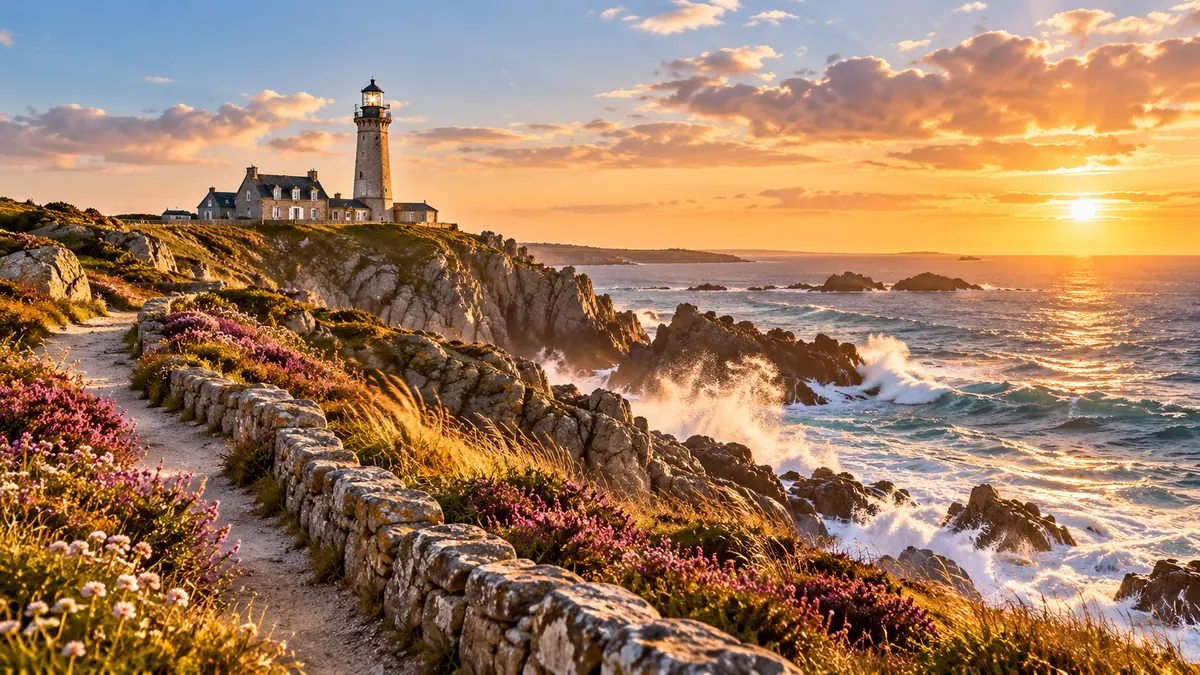
Many rural cottages are easiest with a car because shops, pubs and attractions may be several kilometres away. A town B&B can be more practical for travellers using buses or trains. Do not book from the landscape photo alone: check the exact location, road access and walking distance to food.
Breakfast can change the real cost
A B&B rate normally includes breakfast, while a self-catering price usually does not include food. A cottage may look cheaper per person for a family, but add groceries, cleaning charges, electricity or heating rules when applicable. A B&B may look more expensive per room while removing one meal and some daily planning.
Families and groups
A cottage often wins on shared space. Adults can stay up after children sleep, a group can share one living room and meals are easier to adapt to dietary needs. A B&B can still suit families very well, but confirm room layout if you need connecting rooms or want everyone under one booking.
Local knowledge versus privacy
The strongest B&B advantage is human contact. Hosts can explain a local road closure, suggest a quieter beach or tell you which pub actually serves food late. The strongest cottage advantage is privacy: the space is yours and the timetable is largely your own.
Weather and heating
Irish weather makes indoor comfort important in every season. For a cottage, check heating type, whether energy charges are included and how quickly the property warms up after arrival. For a B&B, this is normally handled as part of the hosted accommodation.
Booking checks that matter
- exact map location rather than the nearest famous town;
- minimum stay and check-in window;
- cancellation terms;
- cleaning, heating or utility charges for self-catering;
- parking and road access;
- number of real bedrooms and beds;
- whether breakfast is included and at what time;
- tourist-board approval or recognised quality framework where relevant.
Choose a B&B if…
- you are moving to a new area every day or two;
- breakfast and local advice are valuable;
- you want less meal planning;
- you prefer a hosted Irish experience.
Choose a self-catering cottage if…
- you are staying several nights in one region;
- you want a kitchen and shared living space;
- you travel as a family or group;
- privacy and a flexible daily routine matter more than hosted service.
Bottom line
For a fast road trip, B&Bs reduce friction and add local knowledge. For a slower regional stay, a cottage gives you independence and space. Compare the total trip cost and the time you will actually spend at the property, not just the nightly headline price.
Tourism Ireland provides official guidance on accommodation and trip planning, and its visitor materials describe both hosted B&B stays and self-catering cottages across the island.
More practical Ireland accommodation guides are available in Stays.