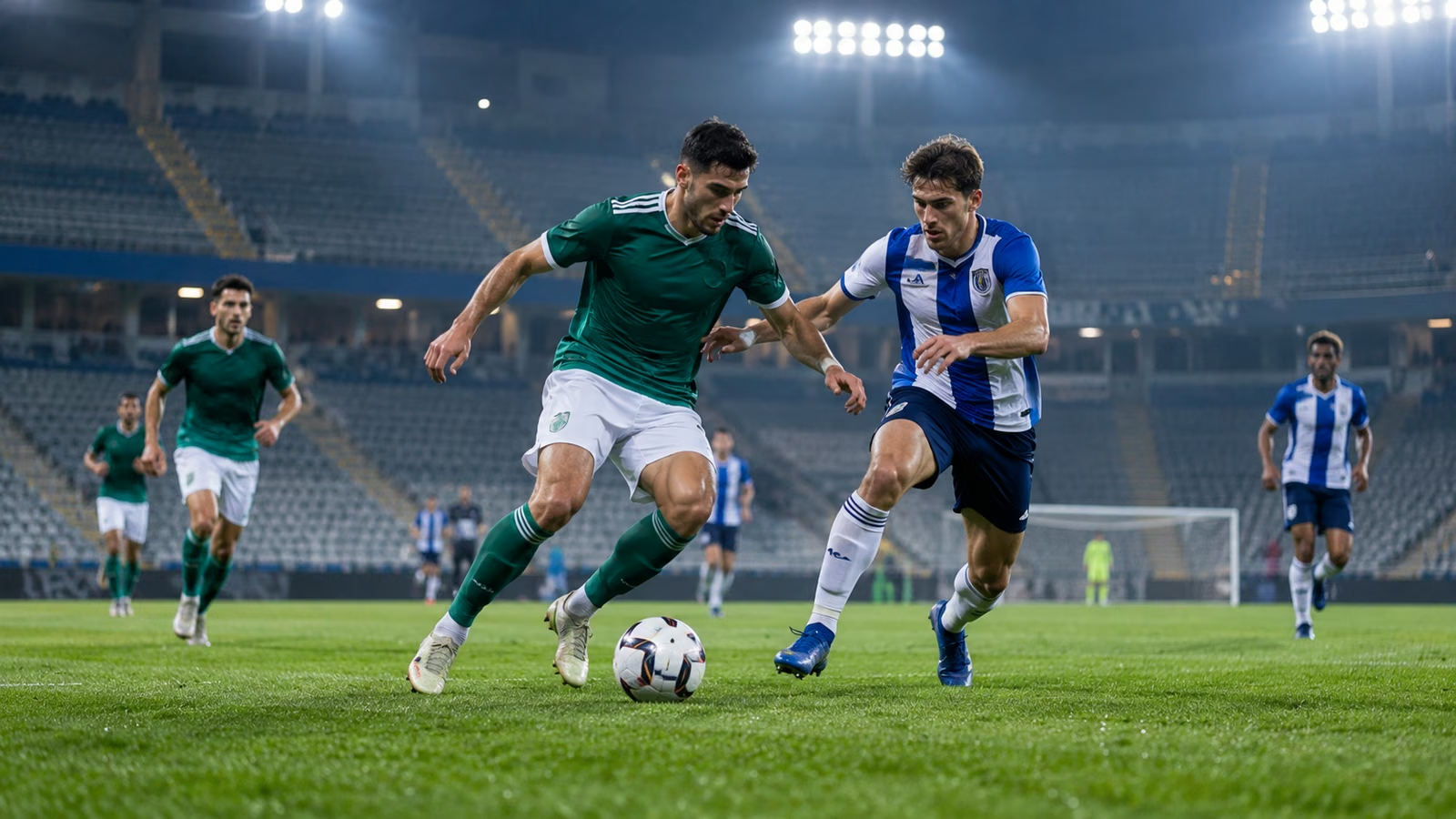
Republic of Ireland drew 1–1 with Israel in Bačka Topola, Serbia, in their fourth UEFA Nations League Group B3 match. Troy Parrott gave Ireland the lead from the penalty spot shortly before half-time, but Dor Peretz equalised early in the second half. The match was played behind closed doors at the TSC Arena after the fixture was moved from Dublin to a neutral venue.
For Ireland, the result is frustrating because a first-half lead became one point rather than three. It also leaves the final two November fixtures carrying substantial weight. Ireland still have away and home opportunities to improve their position, but the group is tight enough that dropped points can quickly change the path to promotion or relegation.
How did Ireland take the lead?
Ireland created early chances before Parrott eventually converted from the penalty spot. The striker’s goal was his 15th senior international goal, according to the FAI match report. A penalty in a low-scoring international match can be decisive because it allows the team in front to control risk rather than chase the game.
The lead also rewarded a first half in which Ireland tested the Israeli goalkeeper and produced several attacks. Adam Idah and Parrott both threatened early, while Caoimhín Kelleher had to make a strong save at the other end. The match was competitive rather than one-sided.
How did Israel equalise?
Dor Peretz scored early in the second half to make it 1–1. Conceding soon after the interval is particularly disruptive because the team has just had time to reset its structure and game plan. Ireland went from protecting a lead to needing another attacking phase.
Once the game was level, both sides had to decide how much risk to take. Nations League group games create a strategic tension: one point may preserve a position, but three points can transform the table.
Why was the match played in Serbia?
The Football Association of Ireland announced in June that the October 4 fixture would be moved to a neutral venue because of operational challenges associated with staging it in Dublin. UEFA approved the change, and the TSC Arena in Bačka Topola was selected.
The match was played behind closed doors. From a sporting perspective, that removes the normal home crowd advantage and creates an unusual atmosphere. Communication between players can be easier to hear, but the emotional rhythm of a full international fixture is different without supporters.
What changed from the first Ireland–Israel meeting?
Ireland had won the first meeting 3–0 in September. That made the return fixture an opportunity to take another major step in the group. Instead, the 1–1 draw demonstrated why return matches are rarely simple repetitions.
Teams adjust. Opponents learn from earlier defensive problems, change pressing triggers and alter how they manage transitions. A previous three-goal victory does not guarantee the same space or finishing opportunities a week later.
How important is Troy Parrott to Ireland?
Parrott’s penalty continued his growing international scoring record. For Ireland, having a forward who can convert limited chances matters because international football often produces fewer clear opportunities than club games.
His value is not only the number of goals. A central forward also needs to occupy centre-backs, create space for runners and help the team secure possession after direct passes. Ireland’s attack becomes more difficult to defend when the striker can both finish and connect play.
What did Kelleher contribute?
Kelleher produced an important first-half save from Liel Abada. Goalkeeping moments can be easy to forget when they do not directly produce points on the scoreboard, but a save at 0–0 can be as influential as a later attacking move.
For a team playing away from its normal home environment, early stability matters. A first-half deficit would have forced Ireland to chase and given Israel more opportunities to counter.
What does the draw mean in Group B3?
UEFA’s results show Ireland have lost to Kosovo, beaten Israel away, drawn with Austria and now drawn the second Israel match. The group remains open heading into November.
Ireland travel to Austria on November 14 and then host Kosovo on November 17. Those matches will determine whether the campaign ends with upward momentum or missed opportunity. The key is that Ireland still control part of their own outcome: direct results against group rivals matter heavily.
What must Ireland improve before November?
The first priority is turning good periods into multiple-goal advantages. A one-goal lead is always vulnerable to one defensive mistake, one set piece or one high-quality finish. Ireland created enough to lead, but not enough separation to protect the result.
The second priority is game management after scoring. That does not mean dropping deep immediately. Often the best way to protect a lead is to keep enough possession and attacking threat that the opponent cannot commit everyone forward.
Why are substitutions important in these matches?
International windows compress several games into a short period. Players arrive from different clubs with different workloads. That makes substitutions partly tactical and partly physical.
A coach has to decide whether to preserve an exhausted player, add pace against tiring defenders or introduce a midfielder to control possession. Those decisions become especially important when the score is level after 60 or 70 minutes.
How should the result be judged?
A draw away from the Aviva in a neutral stadium is not automatically a poor result. But context matters: Ireland had already beaten the same opponent 3–0 and led this game at half-time. From that perspective, two points were left available.
The most balanced assessment is that Ireland produced enough good football to take something from the night but not enough control to turn the lead into a win.
The match in brief
- Final score: Republic of Ireland 1–1 Israel.
- Troy Parrott scored from the penalty spot before half-time.
- Dor Peretz equalised early in the second half.
- The match was played at the TSC Arena in Bačka Topola, Serbia.
- The fixture was behind closed doors.
- Ireland next play Austria away and Kosovo at home in November.
What comes next?
The club calendar resumes before Ireland reconvene in November. Form and injuries can change the available squad, so the starting XI for Austria may not look identical to the team in Serbia.
The next window will also provide more training time to refine the balance between pressing, possession and counterattacking. Ireland have shown they can score against this group’s opponents; the next step is turning those moments into more complete 90-minute performances.
Sources
The FAI match report confirms the 1–1 score, Parrott’s penalty and Peretz’s equaliser. UEFA’s official Nations League results provide the group schedule and results.
More Irish sport and analysis is available in Magazine.