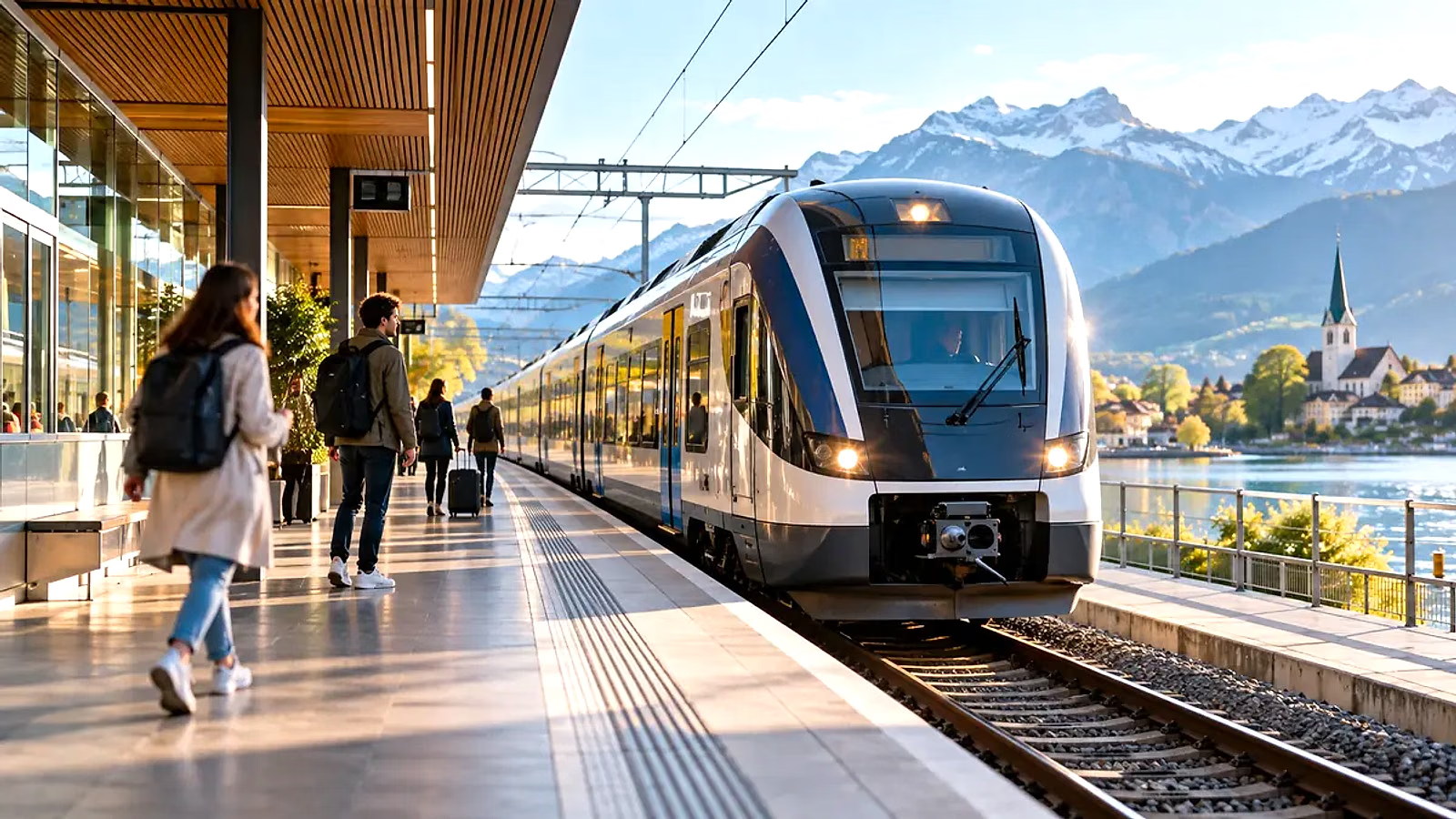
Virgin has unveiled the planned look of its high-speed cross-Channel trains, reviving a central question for travellers: could there soon be a real alternative to Eurostar between London and Paris, Brussels or Amsterdam? Announced on 9 October 2026, the scheme includes a proposed fleet of 12 trains built by Alstom, speeds up to 300 km/h and ambitions for up to 20 daily return services from 2030. The United Kingdom's Office of Rail and Road has pre-approved a framework for international track access, but further agreements and safety approvals remain necessary. This guide explains what is confirmed, what remains a plan and what prospective passengers should do about fares, tickets and connections right now.
What did Virgin announce on 9 October?
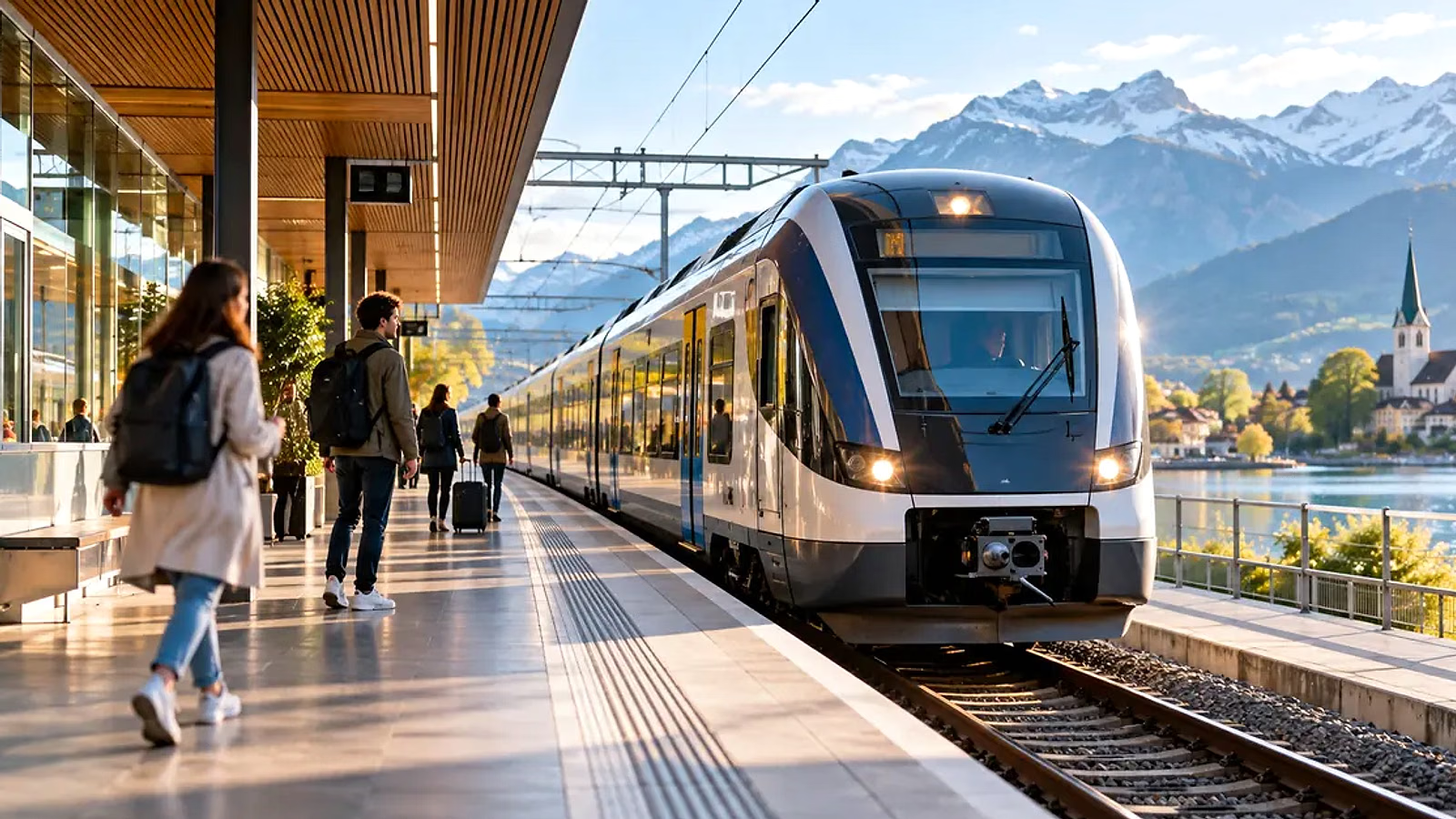
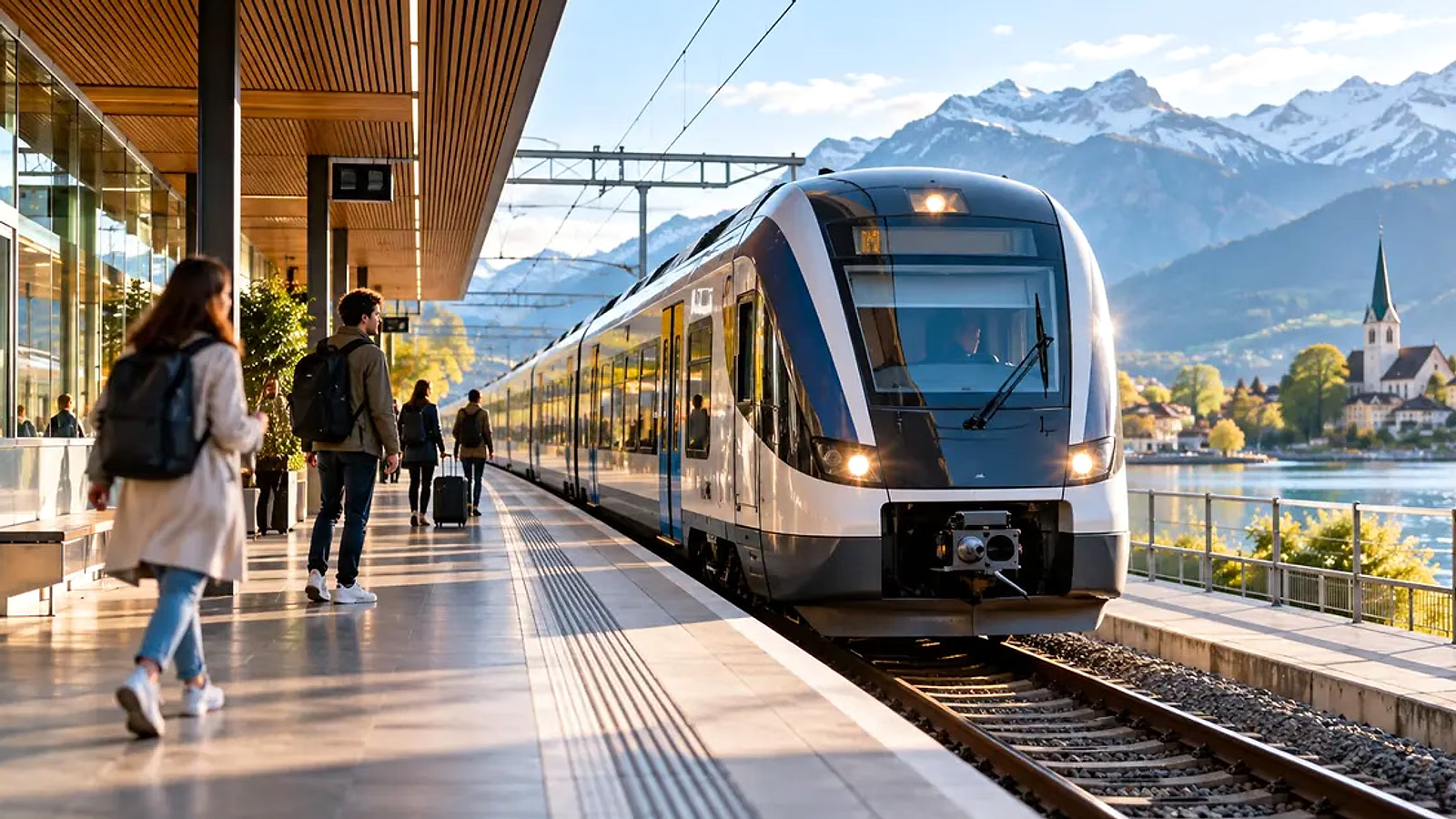
Virgin shared the first public look at the planned high-speed fleet that could eventually compete with Eurostar through the Channel Tunnel. The concept uses a distinctive black-and-red exterior and promises interiors inspired by other Virgin travel businesses, including a greater emphasis on comfort and social spaces. The company plans to buy 12 Alstom Avelia Stream trains, rated to travel at up to 300 kilometres an hour. It has described an ambition for about 7.5 million extra seats per year. This is a fleet and service plan, rather than a new route already operating. Actual timetables, fares and first departure dates are not yet available for customers to book.
Which cities are included in the proposed network?
The plan covers London, Paris, Brussels and Amsterdam. That does not necessarily mean all four cities will be connected by the same single train, or that every destination will receive the same number of departures. The British regulator's announcement allows up to 20 daily return services on the approved routes between London and continental Europe. Virgin's final operating timetable will depend on access rights, rail infrastructure, international safety approval and the delivery of suitable trains. Passengers should therefore distinguish the destinations described in promotional material from specific journeys they can reserve today. Eurostar remains the established option for existing cross-Channel passenger journeys.
When could Virgin launch trains?
The planned opening is from October 2030. The UK regulator said the relevant access framework can run from 1 October 2030 until 31 December 2040, subject to further steps before operations are possible. Railway launches are complicated because trainsets must be manufactured, certified and maintained, with crews trained for several national networks. Delays are possible and precise launch dates may change. For holidays next year or in 2028 and 2029, Virgin's planned future route is not a booking alternative. Travellers should make decisions using transport services already on sale rather than assume a press announcement constitutes a confirmed journey.
What has the UK regulator actually approved?
On 17 August 2026 the Office of Rail and Road announced a pre-approval for a framework track access agreement involving HS1 Limited and Virgin Trains. It permits a maximum service pattern in a future period, rather than granting every licence needed to run a train across several borders. The regulator explicitly noted that Virgin still has to obtain rolling stock, access to other rail networks and the relevant safety approvals in the UK and European Union. This distinction matters: access to one national section of the route is an important milestone, but a train must comply with requirements on every network it crosses.
What kind of trains will be used?
The company has described 12 Alstom Avelia Stream high-speed trainsets, with a planned top operating capability of approximately 300 km/h. Actual travel time depends on the permitted speed limits of each line, stops, timetable conflicts and border processes. A train that can travel at 300 km/h will not maintain that speed for the entire distance between London and central Paris or Amsterdam. Design images show a proposed service appearance rather than a guarantee that every seat or bar arrangement will look identical when operations begin. Final specifications and accessibility details should be checked once approved trains are built and published.
Will competition make Eurostar fares cheaper?
More competition can put pressure on prices, timetables and customer service, but lower fares are not guaranteed by the mere announcement of a new operator. Virgin will have substantial costs for trains, access, energy, staff and maintenance, while demand varies strongly across seasons and departure times. Fares will also depend on how many seats are offered and when they become available. It is too early to calculate a reliable price difference because Virgin has not opened bookings. When tickets eventually go on sale, comparisons should include baggage conditions, refund rules, stations, accessibility, loyalty rewards and total journey cost rather than headline base fares alone.
Does this affect current Eurostar tickets?
No immediate alteration to existing Eurostar bookings follows from Virgin's announcement. People travelling in 2026 or the following years should continue to use the operator's official website for the live timetable and disruption updates. A speculative future competitor does not automatically create free cancellations or additional consumer rights for present reservations. Travellers with onward rail connections should continue to allow time for security, border checks and possible delays. If someone advertises a 2030 Virgin ticket today, independently confirm that the company has opened a genuine official sales channel before providing any payment details.
What will the passenger experience be like?
Virgin is drawing on its airline, hospitality and cruise businesses for the planned experience, with design elements intended to make the journey more social and comfortable. However, seating categories, Wi-Fi performance, meals, mobility access and policies on large luggage may evolve before 2030. A concept image should not be treated as a contractual promise. Customers will eventually need precise terms about class levels, toilets, bicycle carriage, pet policies and assistance for disabled travellers. For a long rail trip these factors can matter as much as a striking train exterior. The eventual quality of the journey has to be judged from real service information and experience.
Why is the Channel Tunnel market difficult to enter?
International passenger rail demands coordination among infrastructure operators and regulators in several countries, as well as high-speed train equipment certified for the routes. The train also needs secure storage, inspection and maintenance capacity. Temple Mills depot in east London has been a major issue for prospective competitors because cross-Channel stock needs suitable servicing facilities. Announcements about depot access and train orders are meaningful progress, but they do not remove other regulatory steps. Costs and operational complexity help explain why Eurostar has faced limited passenger competition on the route even though the Channel Tunnel has operated for decades.
What about trains from other would-be competitors?
Other operators have also considered entering international high-speed rail, including Italian rail interests. Any parallel project should be assessed on its own verified orders, track access and safety arrangements. A statement about another group's intention is not the same as a ticket that can be booked. Adding more potential operators can make the market more interesting to travellers, but announced fleet size and route maps may change. It is important not to add all proposed service frequencies together as though every departure had already obtained every required approval. Passengers gain genuine choice only when reliable services begin operating and commercial terms are published.
Planning London–Paris or Brussels trips now
For an upcoming holiday or business meeting, compare currently operating train and airline schedules with a complete door-to-door calculation. A train can be convenient because its central stations reduce some transfer times, but personal circumstances matter. Check station security requirements, accessibility, baggage and local public transport, and consider a realistic buffer for onward connections. Travellers from provincial UK cities should factor in the journey to London St Pancras. Those beginning in Belgium, France or the Netherlands should also check national rail connections. Virgin's future fleet does not change these immediate practical questions.
Frequently asked questions about Virgin's new trains
Can I buy Virgin London–Paris tickets now? No confirmed commercial launch or booking window has been announced. When might operations start? The proposed start is October 2030. Will there be trains to Brussels and Amsterdam? Those cities are included in the proposed routes, subject to remaining steps. How many trains were announced? Twelve Alstom high-speed trainsets. Does 20 daily return services mean a guaranteed timetable? No, it describes the scale envisaged and the upper framework for access. Are Eurostar services stopping? No such conclusion follows from the Virgin announcement.
The bottom line for UK rail passengers
Virgin's 9 October announcement makes its cross-Channel ambitions more tangible by showing trains and describing service plans. The regulatory framework is also a significant step, but the journey to actual operations still includes rolling stock delivery, safety permissions and cross-border coordination. More consumer choice could emerge from 2030, although pricing and frequency remain to be confirmed. For now, the best way to avoid disappointment is to separate plans from bookable trains, follow official updates and compare total travel costs only when real services and fares are published.
Official sources and further reading
Virgin's cross-Channel plans revealed on 9 October; UK Office of Rail and Road track access decision. Mobility.