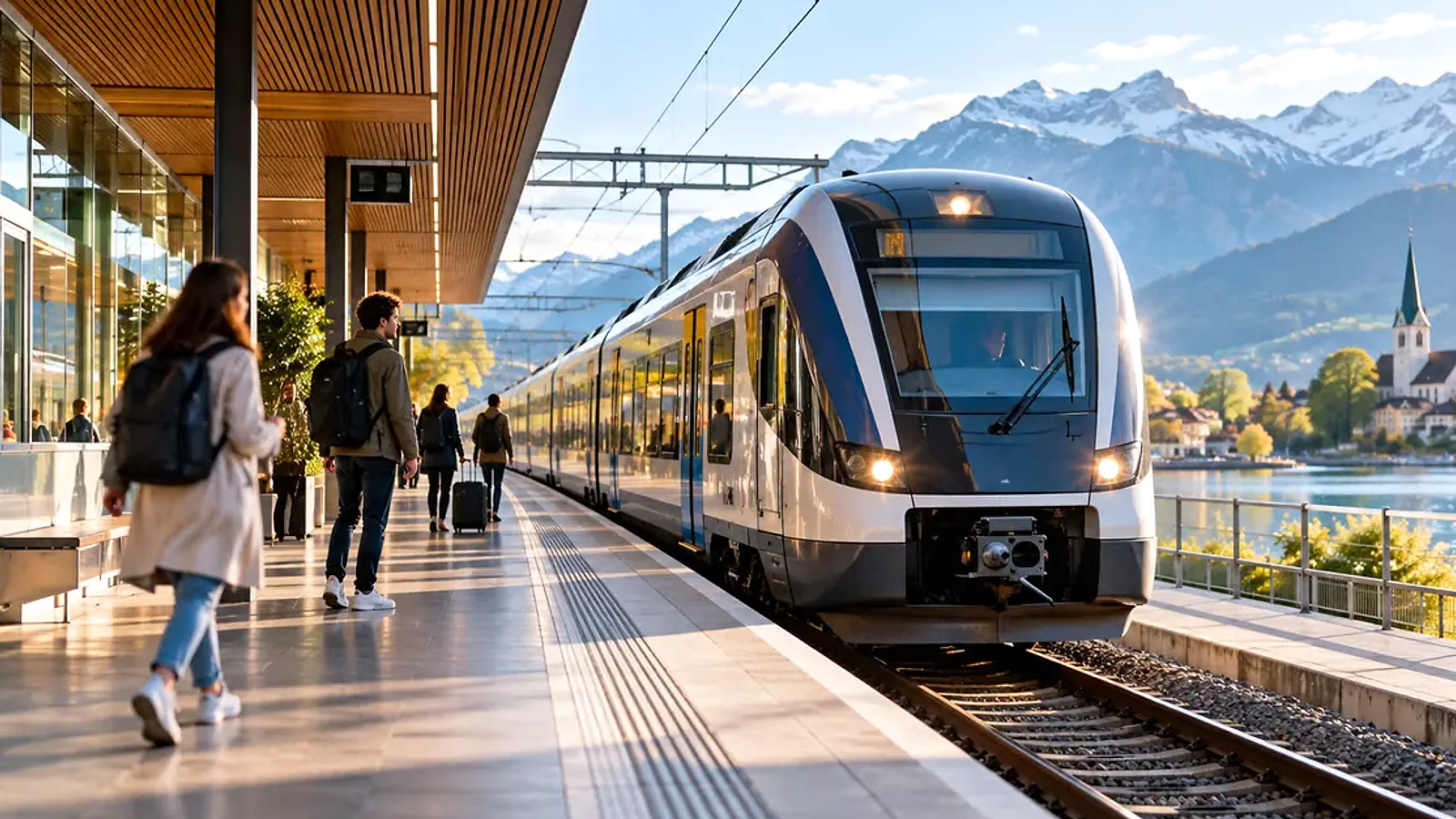
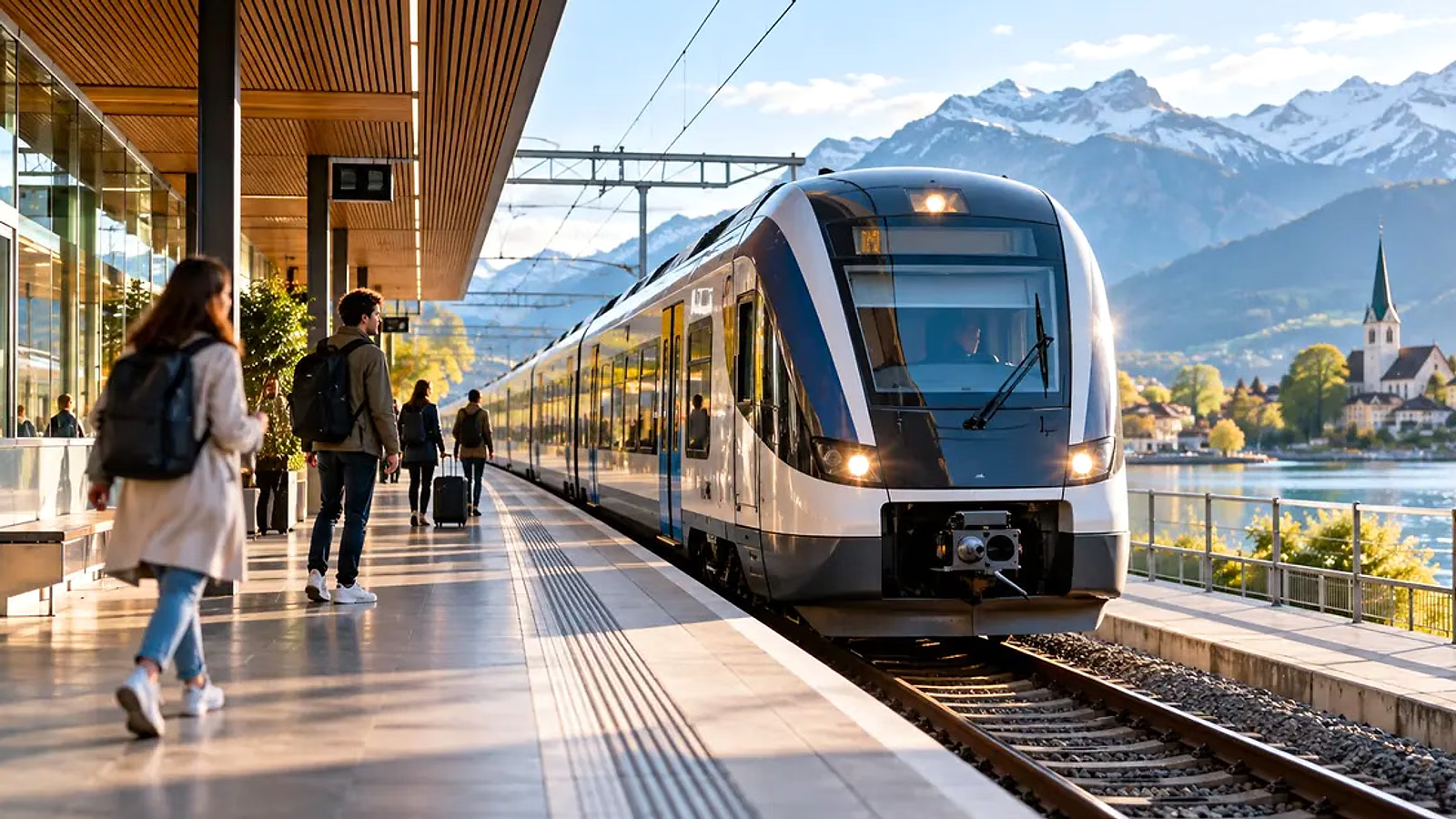
Virgin unveiled designs for a planned new cross-Channel train on 9 October 2026. Its aim is to challenge Eurostar from 2030 by connecting London to European destinations using 12 Alstom high-speed trains. The company has discussed as many as 20 daily return journeys across the network and around 7.5 million extra seats each year. Those numbers are ambitions, not a published timetable or seats already available for sale. Travellers considering Paris, Brussels or Amsterdam need to know which elements of the plan are confirmed, what still requires approvals and why it would be wrong to book a non-existent service. Here is the practical picture, without assuming new tickets or cheaper fares have already arrived.
What exactly happened on 9 October?
Virgin showed a first look at the planned high-speed train design and outlined how the project could compete with the established Eurostar network. Reporting from Euronews and the Guardian describes an agreement with Alstom to supply 12 trainsets. A rolling-stock announcement is a tangible development but is different from an operational launch. Trains must be manufactured, tested and accepted into service, with routes, station capacity and border arrangements finalised before passengers can board. In assessing the announcement, distinguish a signed supplier deal and a corporate target year from timetables approved by railway authorities.
Which routes are planned?
The proposed network would link London with Paris, Brussels and Amsterdam. These cities already attract business travellers, tourists and people visiting friends and relatives, making them established markets rather than entirely untested travel corridors. Virgin has described 20 daily return services as a long-term network ambition. It would be a mistake to claim 20 returns on each individual route, since final frequencies and stopping patterns have not yet been published. People booking a European journey in the coming months should use the timetables of companies currently operating. Future destinations should be treated as provisional until operators publish exact routes and dates.
What does the 2030 date mean?
The company is aiming for a commercial opening in 2030. That is several years away, and the target can be influenced by construction, delivery schedules, testing and authorisations. No firm date for a specific first departure can be inferred from the announcement alone. The sensible way to follow progress is through the operator, railway infrastructure managers and any required regulators. A company can make substantial investments and still experience operational delays. Travellers should therefore avoid paying anyone who advertises guaranteed tickets for a service that has not announced an official booking programme.
Can you buy Virgin Channel Tunnel tickets now?
The available reports do not establish a live official ticket sale for the planned service. A trustworthy launch would have a published booking platform, specific departure dates, detailed conditions and information about refunds, luggage and station check-in. Claims of exclusive early seats sold through an unfamiliar website should be checked carefully. If a social-media account asks for bank details to reserve a 2030 journey today, do not assume it represents the operator. In the meantime, Eurostar and other currently running transport companies have established channels for travel between Britain and continental Europe. Choose a real departure when making a time-sensitive reservation.
Will fares become cheaper than Eurostar?
Competition can create more choices, and it may put pressure on prices and service standards. Yet no verified Virgin fare table for the proposed cross-Channel journeys has been published in these reports. Fare levels depend on demand, route frequency, station capacity, distribution costs and the operator's commercial strategy. A headline about additional seats is not a promise of a cheaper ticket at the date you want. Once competing services are available, compare the all-in price, departure time, change rules, refund options and facilities. The cheapest advertised starting fare may cover only a small selection of seats.
What will the Alstom trains be like?
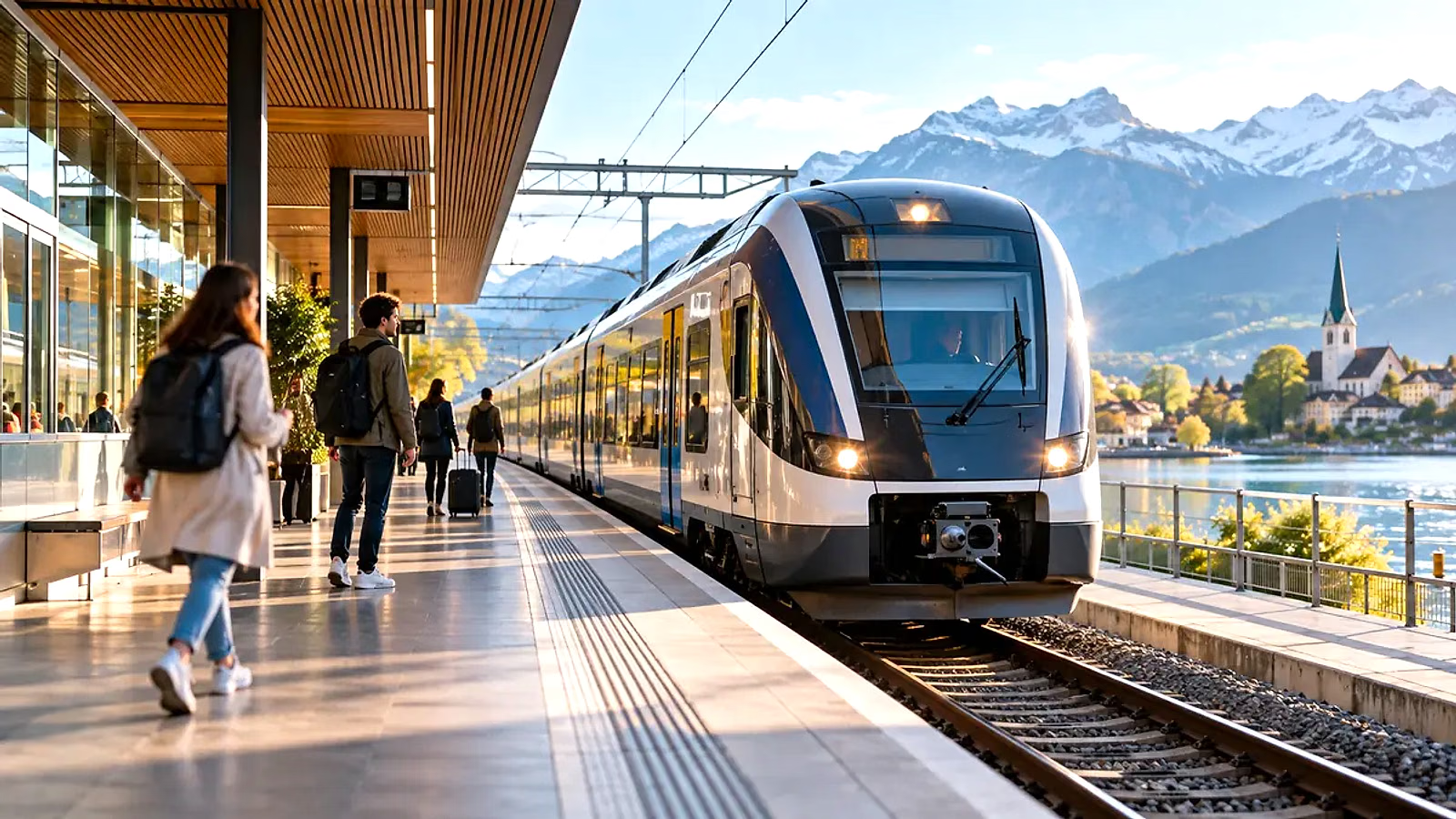
The company has outlined trains designed for speeds around 300 kilometres an hour and a visual identity associated with Virgin's hospitality businesses. Concepts include more comfortable spaces for working, resting and enjoying onboard food. The finished layout may still change as the design proceeds through production, safety assessments and practical testing. Images of striking cabins are useful previews, but they are not proof of final wheelchair arrangements, Wi-Fi performance, baggage allowance or catering prices. People with additional accessibility needs should wait for detailed official information on both stations and carriages before making a journey that relies on a future service.
Why is this railway market hard to enter?
Operating through the Channel Tunnel requires compatible signalling and safety systems, access to international stations and maintenance depots, coordination with rail infrastructure managers and suitable border procedures. These are operational and regulatory tasks, not simply marketing challenges. Trains must perform reliably across multiple national networks and fit the available slots. Even an operator with adequate financing cannot independently choose every departure time. The complexity explains why a substantial gap can exist between unveiling a vehicle and carrying passengers. It also underlines why travellers should focus on operational approvals rather than assume an attractive train rendering equals a ready network.
What about the forecast of 7.5 million seats?
The figure describes the capacity Virgin says its proposed operation could add in a full year. It does not count passengers already carried or seats that have been released to booking systems. Whether that goal is reached depends on how many trains are delivered, how often each is available, the number of seats per vehicle and the operating timetable. Maintenance and periods of high demand also affect capacity. The number is important because it indicates the scale of the company's ambitions, but it should be labelled as a projection whenever used in a headline or travel guide.
Will Eurostar disappear?
No evidence suggests Eurostar is ceasing operation because a rival has announced new trains. The existing operator already runs international services and maintains passenger-facing booking and support systems. New competition could eventually alter the distribution of demand, but the outcome cannot be measured before actual operations begin. Travellers may prefer one operator for departure times, directness, flexibility, assistance or loyalty benefits. A useful comparison requires the same route and journey date, not just brand reputation. Virgin and Eurostar may also have different conditions, so check the complete ticket package rather than assuming identical services.
Is flying still an alternative?
Cross-Channel rail can be attractive for city-centre journeys because it may reduce transfers and airport time, but the total travel time depends on origin, destination and frequency. Airlines may still offer routes or timings that suit some passengers. Environmental comparisons require clear assumptions about energy supply, passenger load and the entire journey. The new train could increase the range of transport choices once it starts, but an announcement cannot show how future travellers will respond. For current trips, compare real rail and air schedules, transfer costs and baggage conditions before deciding what fits your situation.
How should international travellers prepare?
Keep an eye on verified announcements about station access, available departures and ticket launch conditions. If travelling with children, mobility aids or unusually large baggage, review the operator's detailed policies once they exist. People connecting to other European trains should account for border checks and interchange times. A promotional video rarely contains enough detail to plan a complicated itinerary. Travellers do not need to take action immediately because the target start is years away. If the service reaches an operational stage, clear customer information should become available from identifiable official sources.
Frequently asked questions
When could Virgin begin? The current aim is 2030, not a guaranteed first-service date. How many trains? The plan refers to 12 Alstom sets. Where will they go? London, Paris, Brussels and Amsterdam are named destinations. Are there 20 returns on every route? That is not what the overall network ambition says. Are tickets on sale? No official passenger ticket launch has been established. Will Eurostar necessarily be more expensive? That is unknown. The important development is an announced entry strategy, while prices, service details and opening dates remain to be confirmed.
Sources
Euronews, 9 October 2026; The Guardian, 9 October 2026. More practical guides: Mobility.