A week is enough to combine Paris and Provence without turning every day into a transfer, but the itinerary has to stay disciplined. The simplest structure for UK travellers is three nights in Paris, a direct high-speed train south, and three nights based in Avignon or Aix-en-Provence. The final day is reserved for the journey home rather than squeezing in another distant city.
The seven-day outline
| Day | Base | Main idea |
|---|---|---|
| 1 | Paris | Arrival, Seine and one neighbourhood |
| 2 | Paris | Major museum + central Paris |
| 3 | Paris | Second neighbourhood or slower cultural day |
| 4 | Avignon/Aix | TGV south and local orientation |
| 5 | Provence | Village, market or wine-focused day |
| 6 | Provence | Landscape or second city day |
| 7 | Travel | Return toward Paris/UK or onward flight |
Why three nights in Paris?
Two nights can work, but it turns Paris into a checklist. Three nights gives you two full days after arrival and makes it possible to choose one major museum, one or two neighbourhoods and a slower evening without racing across the city.
Day 1: do less after arrival
After arriving from the UK, keep the first afternoon compact. Walk the Seine, explore the area around your accommodation and choose one dinner neighbourhood. Avoid booking a timed attraction immediately after an international rail or flight connection.
Day 2: one major museum, not three
Choose the Louvre if broad art history and iconic works matter most, or Musée d’Orsay if Impressionism is the priority. A full morning at one museum plus an afternoon in a nearby area creates a better day than rushing between multiple museums.
Day 3: choose a Paris personality
Build the day around a neighbourhood style: Marais for historic streets and cafés, Montmartre for hills and views, Saint-Germain for literary Paris, or a more local area such as Canal Saint-Martin for a slower pace.
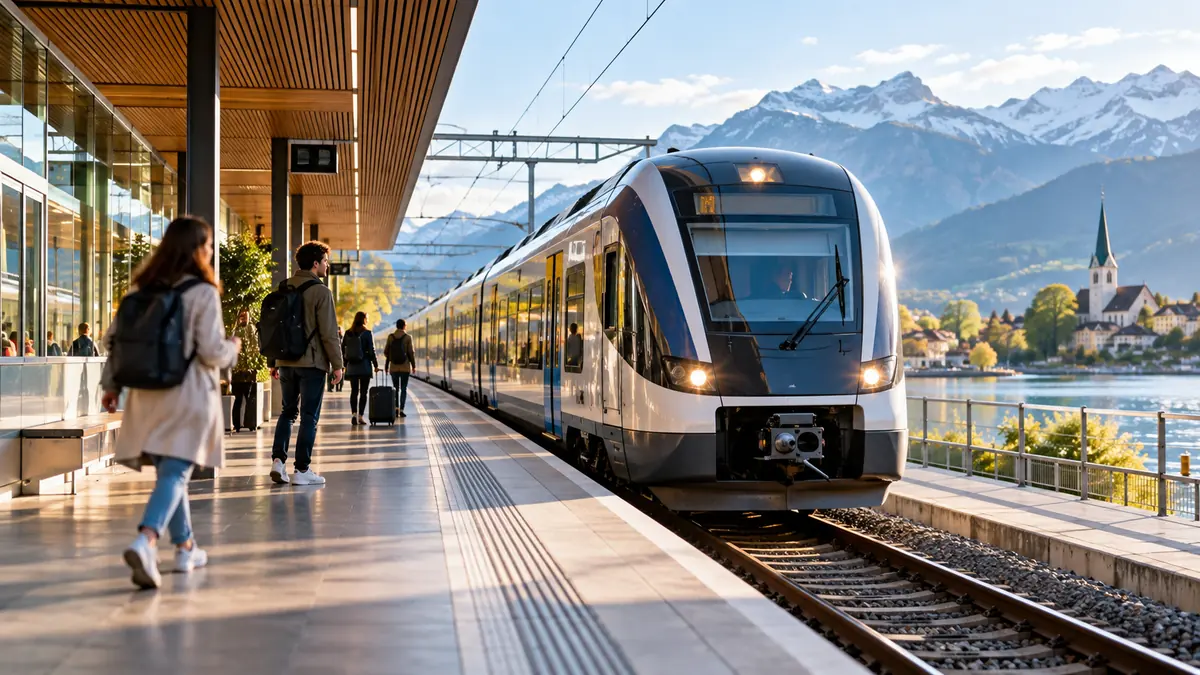
Day 4: Paris to Avignon by TGV
SNCF Connect currently lists direct Paris–Avignon TGV journeys as short as about 2 hours 37 minutes. On 27 September 2026 there are multiple direct departures through the day, which makes a late-morning or early-afternoon transfer practical.
Avignon TGV station is outside the historic centre, while regional connections and local transport link it to Avignon Centre. Check your exact ticket destination rather than assuming every train arrives inside the old city.
Avignon or Aix-en-Provence as a base?
Avignon works extremely well for travellers who want historic streets, the Palais des Papes and rail access toward several surrounding areas. Aix-en-Provence offers a different atmosphere with elegant streets, markets and a stronger connection to Cézanne.
For a car-free itinerary, Avignon is often simpler. For travellers planning several village drives, either can work depending on the route.
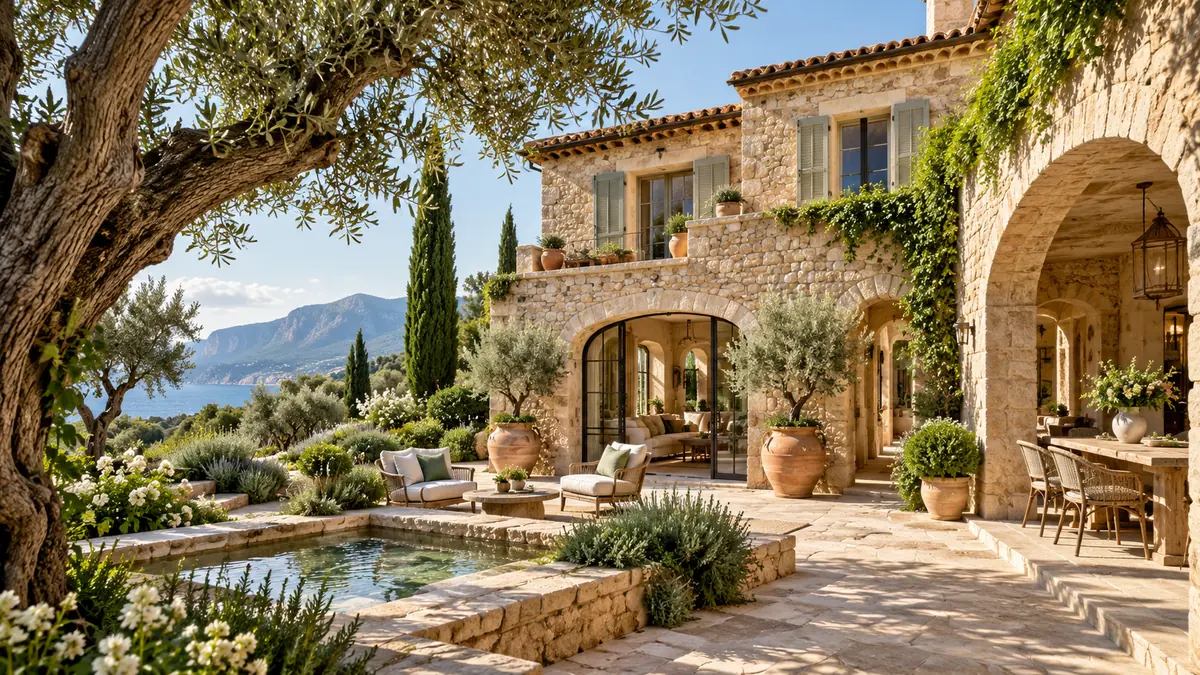
Day 5: choose one Provence theme
Do not try to combine Luberon villages, Verdon, Marseille and vineyards in one day. Pick one theme: villages and markets, wine, Roman heritage, or a city such as Aix.
Village day without a car?
It is possible to visit some Provence destinations by bus, train or organised tour, but the timetable controls your day. France.fr notes that regional trains connect the larger cities while a car remains ideal for exploring many villages.
Day 6: nature or second city
Use the final full day for something different from Day 5. If you spent the previous day in villages, consider Marseille, Arles or a landscape-focused excursion. If you already visited a city, use the last day for countryside.
Should you rent a car?
Not for Paris. In Provence, rent one only for the days when it adds value. A short two-day rental can be more efficient than keeping a car throughout the trip and dealing with parking in city centres.
Driving in Provence
Small village streets, limited parking and summer traffic can slow down a route that looks short on a map. Plan fewer stops and leave time for parking rather than treating every scenic village as a 30-minute photo stop.
When to travel
Late spring and early autumn often provide a good balance of warm weather and less extreme heat. July and August are lively but can bring high temperatures, crowds and higher accommodation pressure.
Lavender is seasonal. Do not design the entire itinerary around lavender fields without checking current bloom conditions for the specific area and week.
Where to stay in Paris
For a short trip, prioritise a useful Métro/RER location over a famous arrondissement name. A hotel or apartment close to a direct line can save substantial time over three days.
Where to stay in Provence
Choose accommodation based on your transport plan. A central Avignon stay helps a train-based trip. A countryside property makes more sense with a car but adds evening driving if restaurants and towns are far away.
Luggage strategy
One medium suitcase is easier on trains than several large cases. TGV stations can involve stairs, platform changes and short boarding windows. Pack for a week rather than for every possible weather scenario.
Book transport in the right order
- Confirm your UK–Paris arrival and departure framework.
- Book the long-distance Paris–Provence train.
- Choose accommodation around those transport times.
- Only then add timed museum tickets and day tours.
What not to add
Do not add Nice, Lyon, Bordeaux and Mont-Saint-Michel simply because they look close on a map of France. Seven days works because the itinerary has two bases. Adding a third major region turns the trip into luggage management.
Can you return to the UK from the south?
Depending on fares and schedules, some travellers may prefer flying home from Marseille rather than returning to Paris. Compare total journey time and luggage rules, not just the ticket price. If using Eurostar both ways, build enough connection time in Paris before the international departure.
Budget structure
The largest variable costs are accommodation, long-distance rail and dining. Local transport and museum tickets are smaller but still add up. Provence car rental can change the budget significantly once fuel, parking and insurance are included.
A slower alternative
If Paris is not new to you, reduce it to two nights and spend four nights in Provence. That gives more time for villages and avoids turning the southern section into two rushed day trips.
Bottom line
For a first seven-day France trip from the UK, three nights in Paris and three nights in Provence is ambitious but realistic. The key is using the TGV for the long transfer, limiting Provence to one base and refusing to add distant regions simply because they are famous.
Check current schedules with SNCF Connect Paris–Avignon and regional planning ideas with Explore France Provence.
More structured France itineraries are available in our UK travel ideas section.