Ontario Provincial Police are stepping up patrols over the 9–12 October 2026 Thanksgiving long weekend as part of the nationwide road-safety campaign Operation Impact. The warning follows a troubling statistic: police reported 13 road deaths in OPP jurisdictions over Thanksgiving weekend in 2025. The campaign focuses on impaired, distracted and aggressive driving and the failure to use seatbelts and other safety equipment. The number is a historical count for the corresponding holiday weekend, not a prediction of deaths in 2026. Families travelling across the Greater Toronto Area, cottage country and northern Ontario can reduce risk through practical preparation rather than relying on the presence of police alone.
What is Operation Impact 2026?
Operation Impact is a Canada-wide traffic safety initiative coordinated by the Canadian Association of Chiefs of Police with participating police services. The 2026 campaign runs from October 9 to October 12 and emphasises that road users have a shared role in preventing avoidable collisions. Police combine public information with enforcement of existing driving laws. The campaign does not create a new nationwide speed limit or automatically close highways. Its emphasis is on familiar but dangerous behaviours that can become especially consequential during busy holiday travel periods.
What does the Ontario Police warning say?
OPP reports that Thanksgiving has ranked as the second deadliest among long holiday weekends in the province over the previous decade, within the statistics cited by the service. It reported 13 road fatalities in OPP jurisdictions during the 2025 Thanksgiving weekend. Such a figure represents recorded deaths in a defined police jurisdiction and time period. It should not be described as a national Canadian total or as the 2026 outcome. The police are highlighting these past tragedies to encourage road users to take safety seriously before setting out.
Which driving behaviours are targeted?
Police focus on impaired driving associated with alcohol or drugs, distraction such as unsafe phone use, aggressive driving including speeding and tailgating, and not using seatbelts or appropriate child restraints. Related road-safety campaigns also discuss fatigue. A responsible driver should plan a safe way home before drinking, silence unnecessary notifications and leave enough following distance. A traffic stop may assess compliance with existing laws, but the precise penalty depends on the violation and the applicable Ontario or federal provision, not the promotional name of the campaign.
What about alcohol and cannabis before driving?
Alcohol and impairing drugs can reduce attention, reaction time and judgement. Cannabis use can affect driving even when a person feels capable of completing a familiar route. The safest plan is to avoid driving while impaired and arrange a sober driver, taxi or alternative transport. Drinking water, consuming coffee or waiting a few minutes is not a reliable method to erase impairment. The law includes different offences and penalties depending on the circumstances. Drivers should never rely on a social media chart promising that a particular quantity of alcohol is safe for everyone.
Why is distracted driving so dangerous?
A driver checking a message, selecting a route while moving or looking away from traffic can miss a sudden change. On a busy highway, vehicles travel a long distance during a short glance at a screen. Set the destination before leaving and use an appropriately positioned device only within applicable legal restrictions. Passengers can help handle navigation or communications. If the route changes unexpectedly, find a safe place to stop before interacting with the phone. Hands-free equipment may reduce some risks but does not make every distraction harmless.
How should families use child car seats?
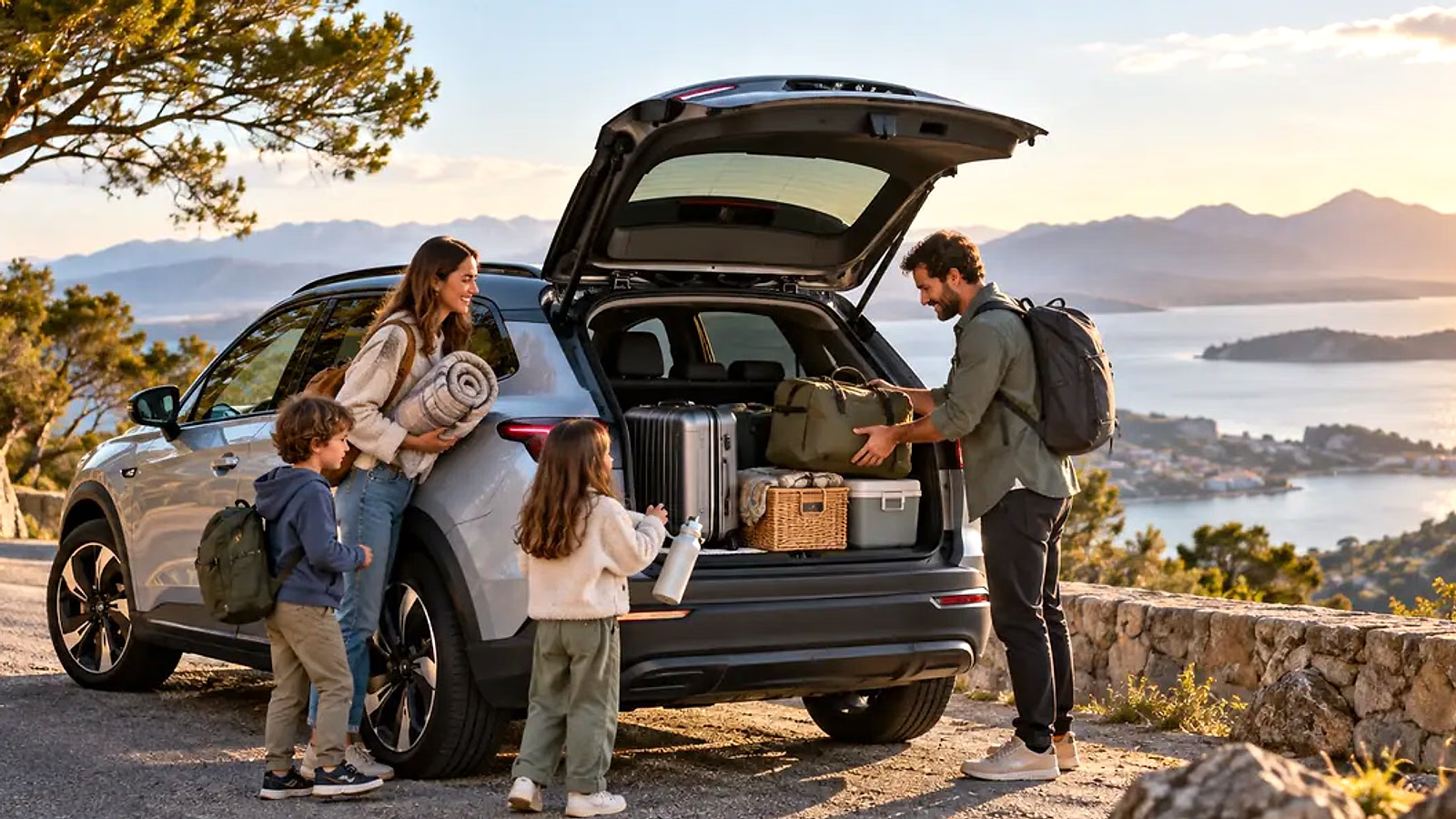
A child needs an appropriate rear-facing seat, forward-facing seat or booster depending on age, size, weight and the manufacturer's instructions as well as Ontario law. Using an unsuitable restraint or fastening it incorrectly can increase injury risk. The seat should be properly installed and its harness adjusted according to the manual. Adults should check that everyone is buckled before moving. A blanket or thick winter coat between the harness and the child can sometimes affect fit; consult the safety instructions. Never substitute a holiday shortcut for an approved restraint system.
What does aggressive driving include?
Driving too fast for traffic or weather, following closely, cutting across lanes and retaliating to other motorists can increase the severity of crashes. A holiday journey may include trailers, campers, construction zones and drivers unfamiliar with local roads. Keep a generous following distance and allow space for merging. A posted speed limit is a maximum under suitable conditions, not a target when visibility or road grip is poor. Rather than attempting to regain a few minutes after a delay, adjust the estimated arrival time and inform the people expecting you.
How does fatigue affect a long journey?
A long drive after work or a late family gathering can reduce concentration even without alcohol. Warning signs include repeated yawning, difficulty remembering recent kilometres or drifting in a lane. The appropriate response is to stop safely and rest, not simply turn up the radio or open a window. Where possible, share driving between qualified rested adults and arrange breaks. Plan a journey around sleep and the availability of safe rest locations. Fatigue can be especially problematic on monotonous highway sections or during nighttime travel.
What should drivers do around roadside emergency vehicles?
Ontario has a Move Over requirement designed to protect emergency personnel and certain other workers stopped on the roadside with activated lights. Drivers should slow down and move over when it can be done safely in accordance with the rules. Sudden unsafe lane changes are not a sensible substitute for careful observation. Watch for tow trucks, police vehicles and responders on shoulders and keep a safe distance. People may misunderstand the law when they read only a fine amount on social media; use Ontario's official legal guidance for exact circumstances and penalties.
Do the patrols extend beyond highways?
Police have said their enforcement and safety activities also cover trails and waterways. This matters for families travelling to cottages, using all-terrain vehicles or heading out boating during the holiday weekend. Helmets and lifejackets can be critical depending on the activity, equipment and law. Operating a boat or off-road vehicle while impaired presents serious dangers. Weather, water temperature and changing light conditions also need to be considered. A safe long weekend involves planning beyond the highway trip to the holiday destination.
What is a realistic trip checklist?
Before leaving, inspect tyres, fluid levels, lights and wipers. Check weather and official road conditions, particularly for travel outside urban areas. Pack necessary medication and appropriate child restraints. Give yourself extra time for congestion and breaks. Confirm access to charging or fuel along the route if needed. Avoid setting an unrealistic arrival deadline, because it encourages rushing after the first delay. A driver should not read live route instructions or traffic alerts while moving; a passenger can assist, or the vehicle can be stopped safely.
How do holiday closures affect the journey?
Canadian Thanksgiving falls on Monday, October 12 in 2026, and public services and businesses may operate on holiday schedules. Petrol stations, restaurants, public transit, ferries and medical clinics can have location-specific hours. Do not assume that an item marked open on an ordinary Monday is open on the holiday. If a rural route has few services, plan necessary stops ahead and carry essentials. The road-safety campaign does not guarantee additional transit or impose one uniform provincial holiday timetable. Confirm the individual service before departure.
What if you see a dangerous driver?
Keep your distance and do not try to chase, block or confront someone driving dangerously. If there is an immediate threat to safety, use the appropriate emergency service when it is safe to do so; a passenger can call while the driver maintains attention. Make only observations that can be recorded safely, such as a vehicle description and location. Do not handle a phone while driving to photograph someone else. Police can evaluate reports according to their procedures. Avoid posting identifiable accusations on social media as a substitute for a genuine safety report.
Does more enforcement guarantee fewer crashes?
Increased patrols may help deter some unsafe behaviour, but no enforcement campaign can guarantee zero collisions. Road conditions, mechanical problems, weather and countless individual decisions still matter. Operation Impact is best understood as an effort to raise awareness and enforce existing laws. It is not evidence that every driver is being stopped or that all incidents will be detected. Families can contribute most by planning sober transport, wearing restraints, respecting conditions and resisting pressure to rush on an already busy holiday highway.
Frequently asked questions
When is Operation Impact 2026? October 9–12. Did Ontario report 13 deaths for this year? No, that figure refers to the 2025 Thanksgiving weekend in OPP jurisdictions. Are new road laws starting today? The campaign enforces existing legal obligations. Does it focus only on speeding? No, impaired, distracted and aggressive driving and restraints are key. Are boats and trails included? Police have said they will also monitor relevant activities. What is the safest way home after drinking? Arrange a sober driver or another reliable option.
Police releases and official guidance
London Police Service: Operation Impact 2026; OPP original news release republished by CambridgeToday; Ontario driving and road safety; Ontario seatbelt information. More practical advice in Canadian Mobility.