
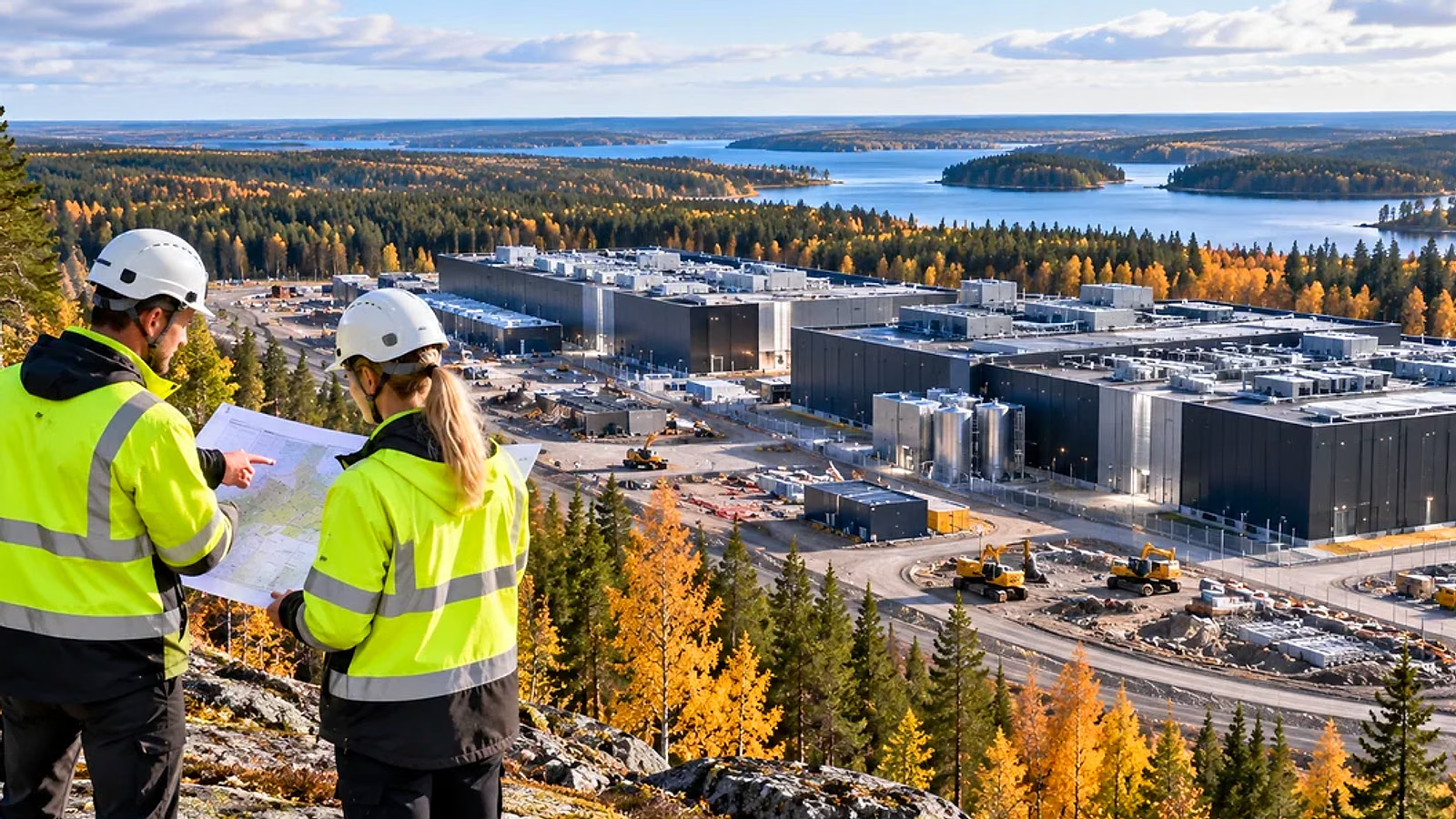
A proposed change to operating conditions for an artificial intelligence data centre in northern Tasmania has raised questions about how major computing projects are assessed. On 10 October 2026, ABC News reported that Tasmania's Environment Protection Authority wanted to participate in a tribunal appeal involving Firmus Technologies and the permitted use of 276 on-site diesel generators. The dispute is about more than a technical planning clause: it concerns what energy arrangements a community was told to expect, and whether a proposed change warrants fresh environmental scrutiny.
What happened at the Firmus data centre?
George Town Council had approved a planned 288-megawatt data-centre development, with conditions limiting generator use mainly to outages, testing and other specified circumstances. The EPA said the information originally provided described emergency and maintenance use rather than a broader role in regular operations. Firmus subsequently challenged that condition through the Tasmanian Civil and Administrative Tribunal, known as TASCAT. The regulator applied to participate because the company was seeking permission for additional generator use, including circumstances linked to electricity supply constraints and reliability.
Why are 276 diesel generators important?
Backup generators have a recognisable role in facilities that require continuous power: they help prevent interruption if the grid fails. But the environmental consequences can differ markedly if engines are used to help supply energy during ordinary market stress. More frequent operation potentially changes emissions, noise, fuel logistics and local exposure. None of this establishes that every generator will run simultaneously or that a particular pollution limit has been breached. The central question is whether actual operating conditions would differ materially from those considered during approval.
What is the EPA's objection?
The regulator's submission, described by ABC, argued that wider generator use might have led it to make a different decision on whether the project required an environmental assessment. That is an important distinction. The EPA did not simply announce that the data centre was illegal. It raised concerns that changing conditions after an approval could alter the environmental risk profile. The matter is before a tribunal, and the outcome should not be presumed. Residents and businesses need to follow the final decision and any updated conditions rather than treat an application as an approved change.
How does electricity demand relate to data-centre growth?
AI workloads require computing equipment, cooling and associated electrical systems. The demand of one project depends on the completed site's design, operational utilisation and energy arrangements. The approved 288MW project figure does not mean that amount of power is being consumed today. Firmus has also been negotiating with Hydro Tasmania over larger power needs associated with its plans. A useful assessment separates proposed capacity, installed capacity, contracted supply and real measured consumption. Mixing those figures can exaggerate or understate a project's effect on the electricity system.
What has Firmus said about renewable energy?
Firmus previously described plans to support new renewable generation in proportion to new data-centre demand. Reporting on material submitted to a federal parliamentary inquiry indicates those commitments may support projects elsewhere in the National Electricity Market rather than necessarily in Tasmania. That geographical distinction matters for people asking whether additional local electricity supply will be built. A national renewable contract can be commercially meaningful without being equivalent to new generation on the island. The question should be addressed using actual project sites, construction milestones and supply agreements rather than slogans about clean energy.
Does the cancelled ASX float change the planning decision?
Separately, Firmus withdrew plans for a major sharemarket listing after investor demand fell short of expectations, according to ABC reporting on 9 and 10 October. That financing news should not be confused with the generator appeal: one concerns capital and investor appetite, the other concerns operating conditions and environmental assessment. A project can face financing uncertainty while its permits remain subject to their own legal process. Likewise, a proposed investment or a prominent backer does not remove the obligation to meet planning conditions.
What should residents near George Town ask?
- Exactly when may backup generators operate, and are annual operating hours limited?
- Are noise, air-quality and fuel-storage impacts assessed for the proposed use?
- Where will new electricity generation be located, and when would it be commissioned?
- What is the public process for examining a variation to conditions?
- Which project figures refer to a proposal, an approval or an operating facility?
These questions help residents move from general support or opposition to verifiable facts. People can reasonably value investment and employment while demanding reliable information about electricity and environmental impacts. Neither benefit nor risk should be assumed without evidence.
Why could this matter beyond Tasmania?
Data-centre proposals elsewhere in Australia also raise questions about grid capacity, water, planning transparency and local economic returns. The lessons from Tasmania are about governance: assessment should match intended activity, conditions should be specific and changes should be explained publicly. Projects should be evaluated on their own engineering and environmental evidence. The presence of AI in the business model does not eliminate ordinary requirements for responsible land use or energy planning.
What is confirmed and what remains undecided?
Confirmed by the reporting are the 276 generators, the previous limits on their use, Firmus's appeal and the EPA's request to join the proceeding. The ultimate tribunal ruling, the extent of any future generator use and the final build-out of all proposed data centres remain distinct questions. There is no basis to report a court victory, a confirmed expansion of diesel operations or the cancellation of the Tasmanian project unless a competent authority announces one.
How to follow the next developments
Watch for TASCAT decisions, council notices, EPA statements, electricity agreements and confirmed changes in project financing. These records should show whether additional environmental assessment is required and which operating limits actually apply. For consumers and taxpayers, the most useful measure of an AI infrastructure announcement is not its headline valuation but whether its capacity, energy source and community impacts can be independently checked.
Sources
ABC News, 10 October 2026: EPA and the Firmus generator appeal; ABC News, 9 October: proposed ASX listing withdrawn. Read more in Technology.