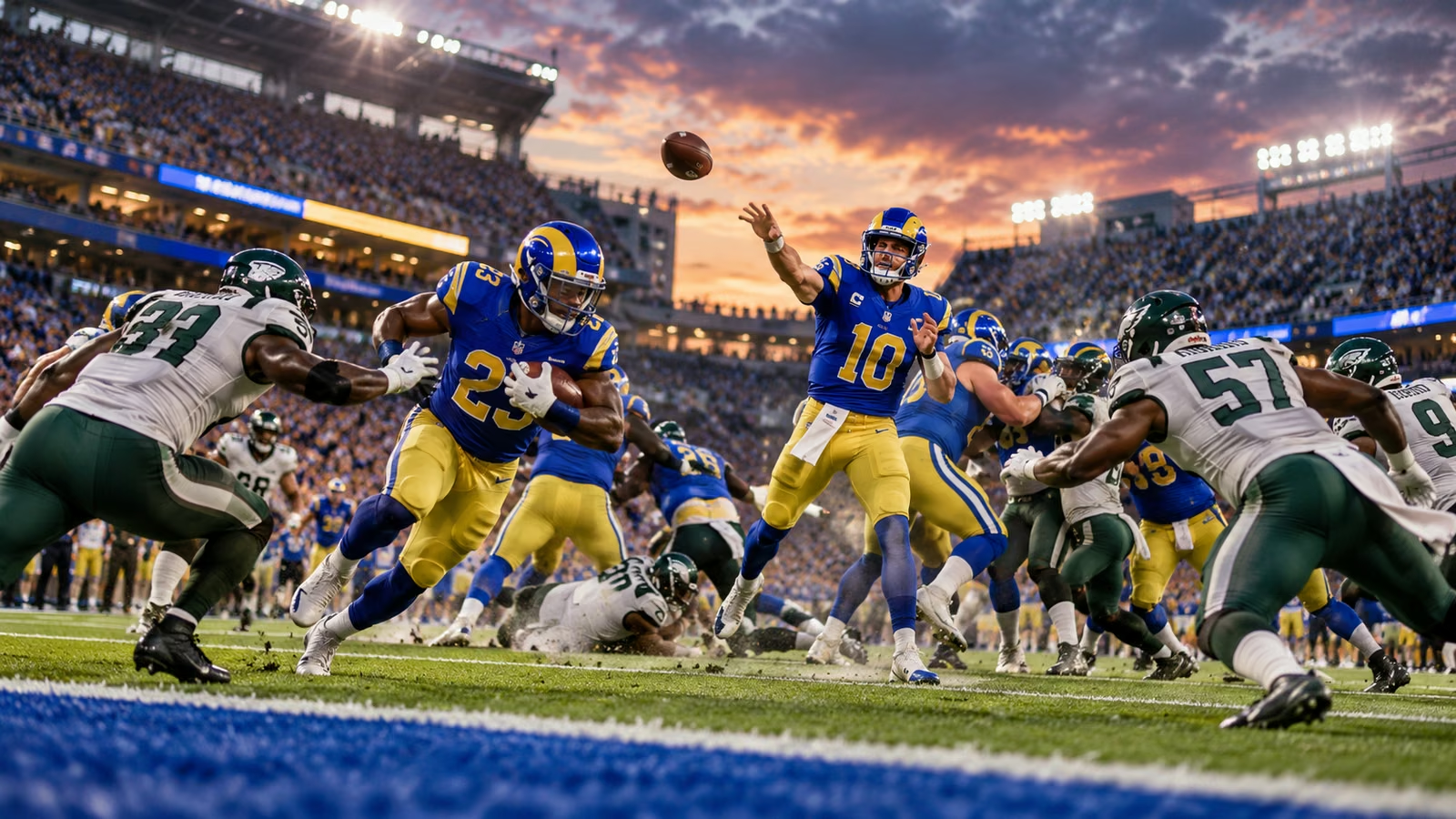

Penn State vs Northwestern surged in U.S. searches after Northwestern opened the new Ryan Field with a 34–13 win over the Nittany Lions. The result moved Northwestern to 3–1 overall and 1–1 in Big Ten play, while Penn State fell to 3–2 and 0–2 in the conference. For Penn State, the more useful question is not simply how a 21-point loss happened, but which parts of the performance are most likely to matter when No. 18 USC arrives next.
The scoreline was decisive, but it did not come from one spectacular play. Northwestern built the game through field position, sustained possessions and a defense that kept Penn State from turning enough drives into touchdowns. Penn State quarterback Rocco Becht completed 26 of 41 passes for 243 yards and one touchdown, with Chase Sowell catching five passes for 68 yards and the team's lone passing score.
What happened at new Ryan Field?
Northwestern's first game in the rebuilt Ryan Field immediately became a major event for the program. A new stadium can create energy, but atmosphere alone does not explain a three-score result. Northwestern still had to convert that emotion into cleaner football, control the pace and keep Penn State from finding the kind of explosive sequence that can erase a deficit quickly.
Penn State did move the ball through the air, yet total passing yards can be misleading without the context of down, distance and field position. A completion on third-and-long that does not reach the sticks helps the box score more than the scoreboard. Against Northwestern, Penn State needed more drives that finished with seven points rather than simply producing respectable yardage.
Why does 34–13 matter beyond one Friday night?
The loss leaves Penn State 0–2 in Big Ten play. Conference records matter because the margin for recovery becomes smaller as the schedule advances. A team can still improve dramatically over the second half of a season, but every additional conference loss makes the path more dependent on other results.
For Northwestern, the win is valuable for the opposite reason. It is a conference victory, a successful opening night for the new stadium and evidence that the Wildcats can turn a high-profile home setting into a controlled performance. The next challenge is proving the result was not a one-night peak.
What did Rocco Becht's numbers show?
Becht's 26 completions and 243 passing yards show that Penn State could create a workable passing rhythm. The harder issue is efficiency around scoring opportunities. Quarterback evaluation should not be reduced to completion percentage or yardage alone: protection, route spacing, drops, field position, third-down distance and play calling all shape what a quarterback can do.
Against Northwestern, the offense needed more plays that changed the structure of a drive. That can mean an explosive completion, a run that creates second-and-short, a successful third-down conversion or a red-zone snap that forces the defense to defend the entire field. Without enough of those moments, a team can possess the ball without applying consistent scoreboard pressure.
Why is Chase Sowell's production important?
Sowell's five catches for 68 yards and a touchdown made him one of Penn State's clearest receiving threats in the game. That matters because a passing offense becomes much more difficult to defend when the quarterback has multiple receivers who can win in different areas of the field.
If defenses can identify one preferred target, they can rotate coverage or change leverage to make that route harder. Penn State will want Sowell's production to become part of a broader receiving picture rather than the only reliable source of chunk gains.
Where did Northwestern create separation?
A 34-point performance against a Big Ten opponent usually reflects more than offensive execution. It also means the defense repeatedly gave the offense usable situations. Northwestern did enough to keep Penn State from building sustained scoring momentum and then capitalized when it had opportunities.
The Wildcats' next step is consistency. The new Ryan Field opener will be remembered for the result, but a season is judged over many weeks. Northwestern faces Ball State on October 10, so the coaching staff has a short window to turn a celebration into another prepared game plan.
What should Penn State fix before USC?
The first priority is drive efficiency. Penn State does not necessarily need to reinvent its offense in one week. It needs to identify why promising possessions stalled and which situations repeatedly put the offense behind schedule. Coaches will look at first-down production, third-down distance, pass protection, penalties and red-zone decisions.
The second priority is preventing the game state from getting away. When an opponent builds a lead, the temptation is to chase points with increasingly aggressive calls. Sometimes that is necessary, but forcing the issue can create shorter possessions and give the opponent even more control. Penn State needs a better balance between urgency and patience.
How difficult is the USC game?
Penn State's next game is against No. 18 USC on October 10. Ranking numbers can change and should not be treated as a prediction, but the matchup clearly gives Penn State an immediate chance to show whether the Northwestern result produced useful corrections.
The most revealing sign will not be a single early touchdown. It will be whether Penn State can sustain its plan across four quarters: staying efficient on early downs, avoiding empty possessions, creating pressure without losing defensive structure and finishing scoring opportunities.
What does the result say about Penn State's season?
It says the season has become less forgiving, not that it is already defined. A 3–2 team has plenty of football left, but an 0–2 Big Ten record puts more weight on each conference game. The response matters because teams often reveal more after a disappointing loss than during a comfortable win.
For players, that response is practical rather than rhetorical. Film review will show whether mistakes came from technique, assignment, decision-making or simply losing one-on-one matchups. Each category requires a different correction.
Why did Penn State vs Northwestern trend so strongly?
The game combined several reasons for national attention: a major Big Ten matchup, the opening of a new stadium, a decisive score and a Penn State team trying to establish itself in conference play. Those elements create immediate search demand from fans who did not watch live but want the score, key statistics and consequences.
The useful takeaway is straightforward. Northwestern earned a 34–13 win and a memorable opening at new Ryan Field. Penn State left Evanston with a 3–2 overall record, an 0–2 Big Ten mark and a much more urgent week of preparation before USC.
Quick facts from the game
- Final score: Northwestern 34, Penn State 13.
- Penn State record: 3–2 overall, 0–2 Big Ten.
- Northwestern record: 3–1 overall, 1–1 Big Ten.
- Rocco Becht: 26-of-41 passing, 243 yards and one touchdown.
- Chase Sowell: five catches, 68 yards and one touchdown.
- Penn State's next game: No. 18 USC on October 10.
- Northwestern's next game: Ball State on October 10.
Sources: Penn State Athletics' official game recap and Northwestern Athletics' official recap. More current U.S. sports and culture coverage is available in the Magazine section.