Apple’s iPhone 18 Pro is now on sale in the UK from £1,199, positioning it firmly in premium-laptop territory rather than as an automatic annual upgrade. The headline changes include the A20 Pro chip, a 48-megapixel Pro Fusion camera system with variable aperture on the main camera, an 18MP Centre Stage front camera and battery improvements across the Pro range.
The useful question for buyers is not whether the phone is powerful. It is. The real question is whether the changes alter what you can do enough to justify the price, particularly if you already own a recent Pro model.
How much does the iPhone 18 Pro cost in the UK?
Apple lists the iPhone 18 Pro from £1,199 in the UK. Storage starts at 256GB, with higher-capacity versions available up to 2TB across the Pro line. Prices rise sharply as storage increases, so buyers who keep large video libraries locally should compare the cost of extra storage with iCloud or another backup service.
Apple also advertises trade-in credit for eligible recent iPhones. The amount depends on model and condition, and the figure shown on Apple’s shop should be treated as an estimate until the device is assessed.
What changed with the cameras?
The iPhone 18 Pro uses a 48MP Pro Fusion camera system covering the main, ultra-wide and telephoto cameras. The most interesting technical change is variable aperture on the main camera, with multiple aperture settings listed by Apple.
A variable aperture changes how much light enters the lens and can affect depth of field. In bright conditions, a narrower aperture can keep more of the scene sharp. In low light, a wider aperture allows more light to reach the sensor. On a phone, the practical benefit depends heavily on Apple’s image processing, but it gives the camera system another physical tool instead of relying only on software.
Does variable aperture replace computational photography?
No. Modern smartphone photography is still a combination of optics, sensor data and computational processing. Features such as HDR, multi-frame fusion, portrait depth and noise reduction remain central.
The variable aperture adds flexibility before the image reaches the processor. That can help in scenes where the phone would otherwise need to compensate more aggressively with shutter speed, ISO or software sharpening.
What about video?
Apple lists Dolby Vision recording up to 4K at 120 frames per second, alongside improved low-light video and stabilisation features. For ordinary users, the higher frame rate is most useful for smooth motion or slow-motion editing rather than everyday clips.
Creators should also think about storage. High-quality 4K footage can consume space quickly, which makes the 256GB entry model less generous than the headline specification might suggest for someone recording long projects.
What is new on the front camera?
The iPhone 18 Pro uses an 18MP Centre Stage front camera. Centre Stage can adjust framing as people move or as more participants enter a call, and Apple is expanding that concept beyond tablets and Macs into more mobile use cases.
Apple also highlights an under-display FaceTime camera design in its Pro comparison material. The main benefit is a cleaner display area, although the practical value depends on how the implementation performs in real use under different lighting.
How fast is the A20 Pro?
The A20 Pro is Apple’s latest Pro-class mobile chip, with a six-core CPU, seven-core GPU and dedicated neural acceleration. The raw performance matters for gaming, video processing and AI workloads, but speed alone is rarely the reason most people should replace a one- or two-year-old phone.
The bigger question is sustained performance: how well the phone manages heat, battery drain and performance over longer sessions. That is where design and software optimisation matter as much as benchmark peaks.
What does Apple claim for battery life?
Apple advertises longer battery life across the iPhone 18 Pro family and lists video-playback figures that vary by model. Buyers should check the exact size they are considering rather than assume the largest quoted number applies to both Pro and Pro Max.
Real-world endurance will depend on 5G use, camera activity, brightness, gaming and background services. A user who spends most of the day on Wi-Fi may see a very different result from someone navigating with GPS and mobile data for hours.
Which colours are available?
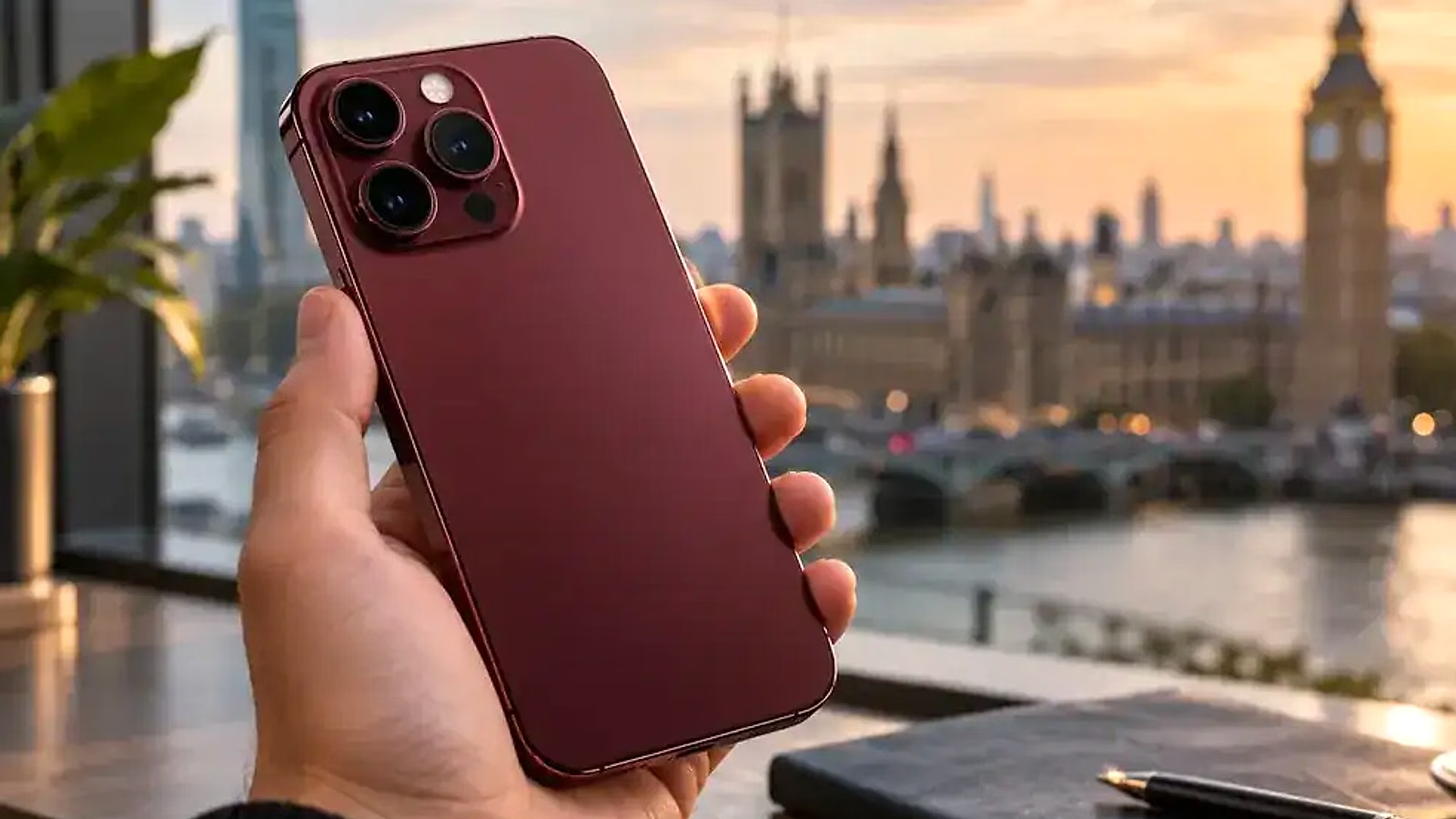
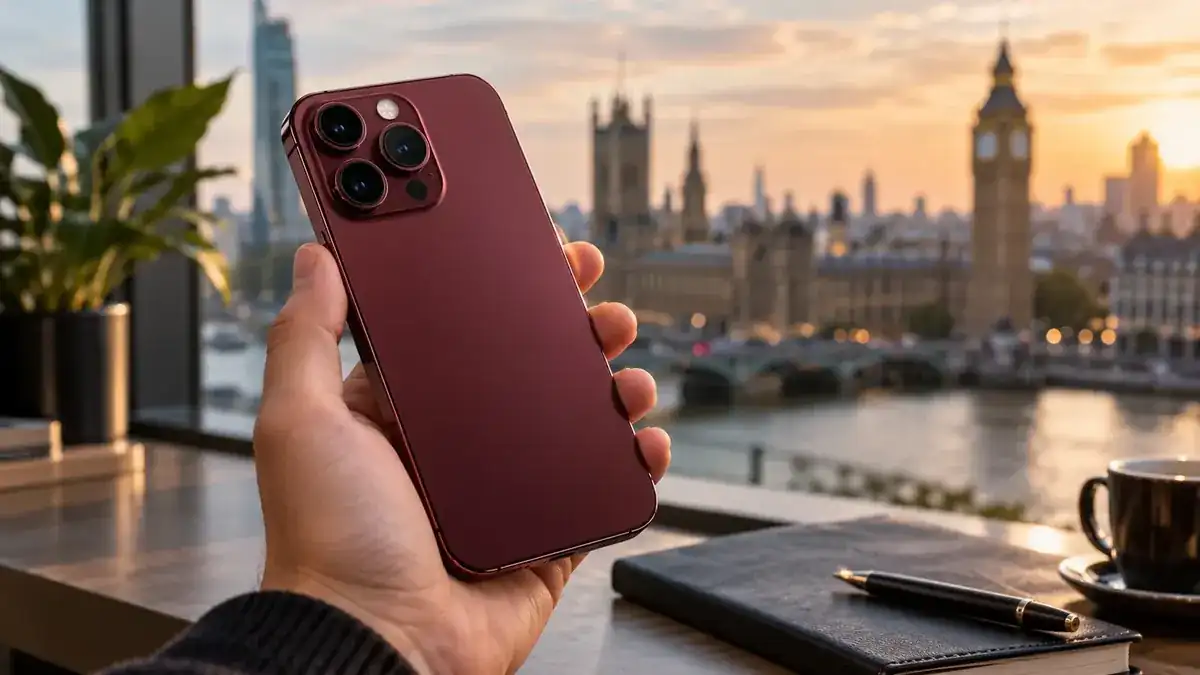
Apple’s UK store lists Burgundy, Glacier, Silver and Black. Colour has no performance impact, but darker finishes can show dust or fingerprints differently and some cases change how much of the original finish is visible.
If resale value matters, neutral colours often attract a broader second-hand audience, although condition, battery health and storage are usually more important than colour.
Should iPhone 17 Pro owners upgrade?
For most people, not automatically. If your current phone is fast, the battery is healthy and the camera already meets your needs, the iPhone 18 Pro’s improvements may be evolutionary rather than transformative.
An upgrade makes more sense for users who specifically value the variable-aperture camera, improved battery endurance, higher-end video work or new AI features that perform better on the A20 Pro. It can also make sense if a strong trade-in reduces the net price substantially.
What about owners of older iPhones?
The decision becomes easier when moving from an older device with shorter battery life, a smaller camera system or limited storage. In that case, improvements accumulate across several generations: display quality, camera performance, processing, modem efficiency and safety features can all contribute to a more noticeable jump.
Before buying, compare the iPhone 18 Pro not only with your current phone but also with Apple’s less expensive iPhone range. A Pro model is poor value if you do not use the features that make it “Pro”.
Is 256GB enough?
For many users, yes. It is generous for apps, photos and ordinary video if cloud backup is enabled. For creators recording frequent 4K footage, large games or offline media libraries, 512GB or more can reduce storage management.
Do not buy more storage automatically. Estimate how much you use today, add a realistic buffer for three to five years and compare the upgrade cost with cloud storage over the same period.
Five checks before buying
- Check the exact storage tier rather than comparing only the starting price.
- Use Apple’s trade-in estimate, but budget for a lower final valuation if the phone is damaged.
- Compare Pro with the standard iPhone range if you do not need telephoto or high-end video tools.
- Check your current battery health; a battery replacement may extend your phone’s useful life for far less.
- Buy for features you will use, not only for annual benchmark gains.
How are early reviews framing it?
Early UK reviews have been positive about battery life, display quality and the camera changes, while also noting that the overall experience is still familiar. That combination is typical of mature flagship phones: meaningful refinements can be excellent without making last year’s model obsolete.
For buyers, that is good news. It means the iPhone 18 Pro can be a strong phone without creating pressure to upgrade every year.
Sources
Specifications, UK pricing, storage options and trade-in information are from Apple’s UK iPhone store and Apple’s iPhone 18 Pro product comparison pages.
The Guardian published a UK review on 5 October highlighting battery, display, Siri and camera changes. Our assessment above is based on publicly available specifications and buying considerations rather than a claimed hands-on test.
More UK device and digital-service coverage is available in Technology.